![]() |
||||||||||||||||||||
|---|---|---|---|---|---|---|---|---|---|---|---|---|---|---|---|---|---|---|---|---|
|
||||||||||||||||||||
|
The Minor Prophets-Part Two |
||||||||||||||||||||
![]() |
||||||||||||||||||||
Nahum Overview |
||||||||||||||||||||
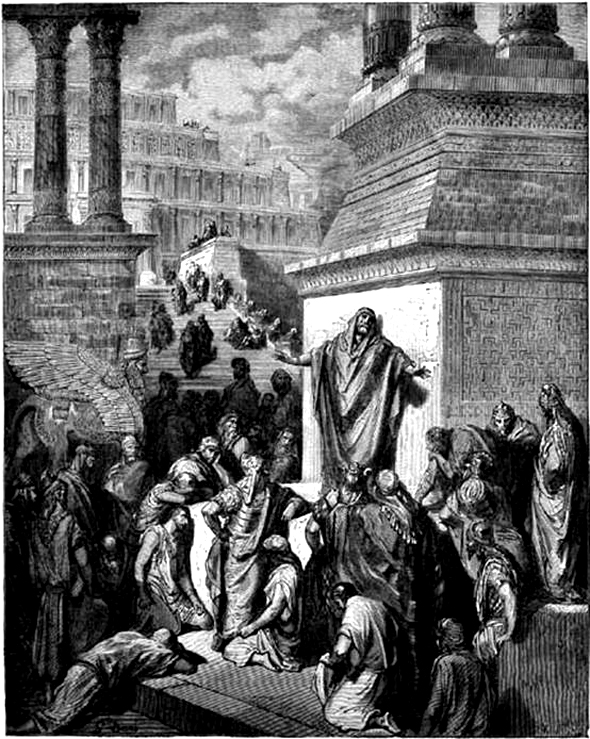
The book of Nahum was written approximately 140 years after the recorded events in the book of Jonah. During that period of time, Nineveh had turned from its repentant attitude and had taken the northern kingdom of Israel into captivity. Whereas Jonah gives a message of mercy and repentance, Nahum gives an indictment of doom upon Nineveh, the capital of Assyria. They, who were once used as God's tool against the people of Israel and Jerusalem, will now be destroyed because of their great wickedness. |
||||||||||||||||||||
Nineveh once had repented and served the Lord God Jehovah. That had changed over the course of 150 years. They had turned away from God and so God was judging them. The same holds true for us today. God is patient. He gives every country time to proclaim Him as their Lord. But He is not mocked. Any time a country turns away from Him to serve it's own motives He steps in with judgment. Almost 220 years ago the United States was formed as a Nation guided by principles found in the Bible. In the last 50 years that has changed and we are turning faster daily in the opposite direction. If we as a nation do not stand up and stop this liberal, God-denying, self-serving, live-for-the-moment attitude then we should not be surprised when God judges us. As believers we should stand up for Biblical principles and Scriptural truth regardless of what those around us may be doing. |
||||||||||||||||||||
![]() |
||||||||||||||||||||
|
||||||||||||||||||||
| In times of adversity or trouble what arew we to do ? |
||||||||||||||||||||
| Nahum Outline | ||||||||||||||||||||
| A. Ninevah's Doom Declared | ||||||||||||||||||||
|
||||||||||||||||||||
| B. Ninevah's Doom Described | ||||||||||||||||||||
|
||||||||||||||||||||
| C. Ninevah's Doom Observed | ||||||||||||||||||||
|
||||||||||||||||||||
| Habakkuk Overview | ||||||||||||||||||||
The book begins with Habakkuk complaining of injustice in Judah and with his inability to understand God's failure to judge the wicked and morally deprived nation of Babylon. Habakkuk is shown that God's people must continue to trust in His mercy regardless of the circumstances about them. The wicked appear to prosper while the righteous are chastened. However, this prosperity of the wicked is only temporary. God will not abandon those who obey and follow His commandments
|
||||||||||||||||||||
Sometimes it is not evident to us what is going on. Especially if we are thrown into suffering for a period of time or if it seems our enemies are prospering while we are just barely getting by. This book however, affirms that God is God. We just need to be still and know He is at work. He is who He says He is and does keep His promises. He will punish the wicked. Even when we cannot see it, He is at work. Sometimes the way we have to go to get us there is through suffering and sorrow but if we rest in Him and trust Him we come out where He wants us. |
||||||||||||||||||||
![]() |
||||||||||||||||||||
| Habakkuk Outline | ||||||||||||||||||||
| A. Introduction-Chapter 1:1 | ||||||||||||||||||||
| B. Prophets Complaint of Unchecked Violence in Judah-Chapter 1:2-4 | ||||||||||||||||||||
| C. the Lord's Answer-Chaldean Instrument of Punishment-Chapter 1:5-11 | ||||||||||||||||||||
| D. Chaldean's More Wicked Than the Judean's Chapter 1:12-2:1 | ||||||||||||||||||||
| E. The Lord's Answer-Faith Will Be Rewarded Chapter 2:2-4 | ||||||||||||||||||||
| F. Five Curses for Disobedience-Chapter 2:2-20 | ||||||||||||||||||||
| G. A Vision of Divine Judgment-Chapter 3:1-6 | ||||||||||||||||||||
| H. the Triumph of Faith | ||||||||||||||||||||
|
||||||||||||||||||||
Zephaniah was contemporary with Jeremiah. He prophesied during King Josiah's reign, who was responsible for a great religious reformation. This followed the wicked reigns of Kings Manasseh and Amon, who led the nation into various forms of idolatry. Zephaniah pronounces inescapable judgments against Jerusalem for their sins, and exhorts national repentance. He continues by speaking of the "day of the LORD", when God will intervene to judge sin. |
||||||||||||||||||||
With a few adjustments in names and situations, this prophet of 7th century B.C. could stand in the streets of the United States and deliver the same message. God's people will not escape punishment when they sin willfully. Punishment may be painful but its purpose may be redemptive rather than punitive. The inevitability of the punishment of wickedness gives comfort in a time when it seems that evil is unbridled and victorious. A person has the freedom to disobey God but not the freedom to escape the consequences of that disobedience. Those who are faithful to God may be relatively few, but He does not forget them.
|
||||||||||||||||||||
![]() |
||||||||||||||||||||
| Zephaniah Outline | ||||||||||||||||||||
| A. Warning of Impending Judgment | ||||||||||||||||||||
|
||||||||||||||||||||
| B. Three Discourses Against Israel | ||||||||||||||||||||
|
||||||||||||||||||||
| C. A Promise of Future Blessing | ||||||||||||||||||||
|
||||||||||||||||||||
| Haggai Outline | ||||||||||||||||||||
The Book of Haggai draws attention to common problems most people face even today. We should examine our priorities to see if we are more interested in our own pleasures than doing the work of God. We should reject a defeatist attitude when we run into opposition or discouraging circumstances. We should confess our failures and seek to live pure lives before God. We should act courageously for God because we have the assurance that He is with us always and is in full control of our circumstances. We should rest secure in God's hands knowing that He will abundantly bless us as we faithfully serve Him. |
||||||||||||||||||||
|
||||||||||||||||||||
| Haggai Outline | ||||||||||||||||||||
| A. A Message to Arouse-Chapter 1:1-11 | ||||||||||||||||||||
| B. A Message to Commend-Chapter 1:12-15 | ||||||||||||||||||||
| C. A Message to Encourage-chapter 2:1-9 | ||||||||||||||||||||
| D. A Message to Confirm-Chapter 2:10-19 | ||||||||||||||||||||
| E. A Message to Assure-Chapter 2:20-23 | ||||||||||||||||||||
| Zechariah Overview | ||||||||||||||||||||
Zechariah was a younger contemporary of Haggai. He also encouraged the people to rebuild the Temple. Like Daniel and Revelation, this book contains visions of future events. It contains detailed references to the coming Messiah. The book concludes with descriptions of the enemies of Jerusalem being judged and of the future glory of God's Kingdom. |
||||||||||||||||||||
The book of Zechariah teaches that all may obtain salvation.not all choose to, however. The last chapter depicts peoples from all over the world coming to worship God, who desires that all people follow Him. We must extent God's invitation to salvation to everyone |
||||||||||||||||||||
|
||||||||||||||||||||
|
||||||||||||||||||||
| Zechariah Outline | ||||||||||||||||||||
| A. Introduction, The Call to Repent-Chapter 1:1-6 | ||||||||||||||||||||
| B. The Night Visions of Zechariah | ||||||||||||||||||||
|
||||||||||||||||||||
| C . The Crowning of Joshua-Chapter 6:9-15 | ||||||||||||||||||||
| D. Questions Concerning Fasting | ||||||||||||||||||||
|
||||||||||||||||||||
| E. The Future of the Nations, Israel and the Messiah's Kingdom | ||||||||||||||||||||
|
||||||||||||||||||||
| Malachi Overview | ||||||||||||||||||||
Malachi's message comes to the people in a time of great spiritual decline. It is approximately eighty years after the rebuilding of the Temple, and the promises of the coming Messiah have not yet happened. As a result, the people had become lax and had an increasingly casual attitude toward God and worship. Malachi states that their sacrifices were unacceptable to God, husbands were unfaithful, and the priests had neglected God's covenants. |
||||||||||||||||||||
![]() |
||||||||||||||||||||
| Malachi Overview | ||||||||||||||||||||
| A. An Unholy Nation-Chapter 1 | ||||||||||||||||||||
| B. Faithless Priesthood-Chapter 2:1-9 | ||||||||||||||||||||
| C. A Treacherous People-Chapter 2:10-16 | ||||||||||||||||||||
| D. A Nation of Robbers-Chapter 2:17 thru 3:15 | ||||||||||||||||||||
| E. Faithful Remnant to be Vindicated-Chapter 3:16 thru 4:6 | ||||||||||||||||||||
![]() |
||||||||||||||||||||
The First Place to Look for "Nuggets" About the Bible... on the Internet! |
||||||||||||||||||||