![]() |
||||||||||||||||||||||||||||
|---|---|---|---|---|---|---|---|---|---|---|---|---|---|---|---|---|---|---|---|---|---|---|---|---|---|---|---|---|
|
||||||||||||||||||||||||||||
|
Trials, Praise and Wisdom |
||||||||||||||||||||||||||||
![]() |
||||||||||||||||||||||||||||
Job Overview |
||||||||||||||||||||||||||||
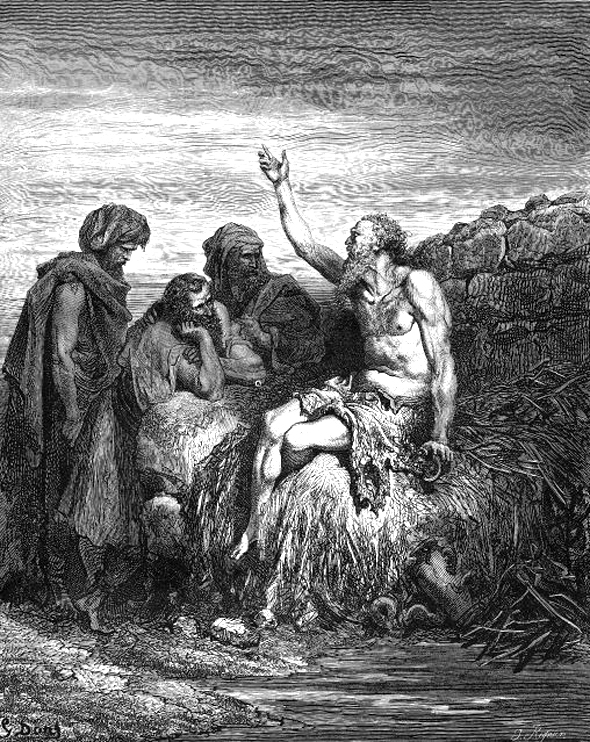
Job is the first poetic book of the Old Testament. It relates the anguish of a righteous man as he and his friends struggle to explain the affliction, which has befallen Job and has stripped him of his wealth, his family, and his health. The dialogue continues between Job and his friends as each presents his opinion on the reasons behind such troubles. |
||||||||||||||||||||||||||||
The purpose of the book of Job is to grapple with the question of why good people sometimes suffer. God promises that he will bless the faithful. Job agonizes over the apparent exceptions. The book concludes that ultimately only God knows the reason behind much suffering. |
||||||||||||||||||||||||||||
![]() |
||||||||||||||||||||||||||||
|
||||||||||||||||||||||||||||
|
||||||||||||||||||||||||||||
| Bad things happen. Trials do come to all of us. What should my attitude be toward trials and tribulations that come into my life? |
||||||||||||||||||||||||||||
| Job Outline | ||||||||||||||||||||||||||||
| A. The Affliction of Job | ||||||||||||||||||||||||||||
|
||||||||||||||||||||||||||||
| B. Debates Between Job and His Three Friends | ||||||||||||||||||||||||||||
|
||||||||||||||||||||||||||||
| C. Speeches of Elihu-Chapter 32 thru 37 | ||||||||||||||||||||||||||||
| For Detailed Outline of Job Click Here | ||||||||||||||||||||||||||||
| D. The Restoration of Job | ||||||||||||||||||||||||||||
|
||||||||||||||||||||||||||||
| Psalms Overview | ||||||||||||||||||||||||||||
The Psalms are divided into five sections, each according to a specific classification. The Psalms are a form of Hebrew poetry, many of which were accompanied by music. The content of the Psalms includes prophecy of Christ, praise to God, and visions of the future Kingdom of God and its glory. The authors went through many different experiences. Many psalms were the result of the writers' feeling of elation in the service of God. Men who were in the depths of despair wrote other psalms. Some psalms relate to the history of Israel, and many are prophetic both of Jesus and of God's future kingdom.
|
||||||||||||||||||||||||||||
Some psalms are Messianic Psalms. These psalms are generally given this title because they refer specifically to the work of Jesus. For example, Psalm 2 questions why the nations rise up against the Lord and his anointed. Psalm 22 commences with "My God, my God why have you forsaken me" - words quoted by Jesus on the cross. What better authority is there about the Messianic nature of this psalm that the authority of Jesus! Psalm 72 is another. Written by Solomon, this one is refers to the coming kingdom that will last forever. |
||||||||||||||||||||||||||||
There are twenty-four psalms that begin or end with "Praise the Lord." These psalms of praise are often called the 'Hallel' psalms because of this - 'Hallel' being a shortened form of 'Hallelujah'. It is interesting to note that all of these psalms were anonymous which perhaps suggests that they had been written for Temple worship and were in common usage. Some of these psalms are 104 through 106 and 111 through 120. |
||||||||||||||||||||||||||||
Psalms 120 through 134 comprising “Songs of Decrees” are special set of psalms, which were sung while the Jews were ascending Mt Zion to celebrate Jewish Feasts. |
||||||||||||||||||||||||||||
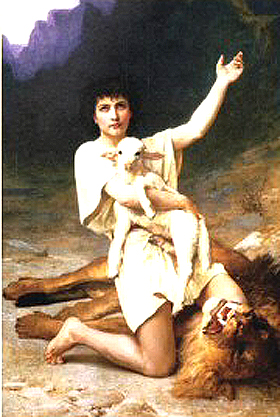
Some psalms describe extreme human distress. There are a number of psalms that indicate the different forms this distress took. David was one who was frequently distressed. Psalm 4 describes his distress, when s persecuted by his enemies and he subsequently sought GOD's assistance. He was distressed over his own sinfulness (Psalms 13 and 32), and he was distressed that there was so much wickedness around him (Psalm 55). The most important feature of these psalms is David's recognition of the need to rely on God for help |
||||||||||||||||||||||||||||
The Bible contains many examples of God's judgments on the wicked. At the same time, it contains many examples of the hope that the righteous have providing they place their trust and confidence in God. Some of the Psalms that suggest this hope are: Psalm 42, Psalm 80, Psalm 84 and the very beautiful but meaningful poem, Psalm 137. Of course, the most well known psalm of hope is Psalm 23. |
||||||||||||||||||||||||||||
![]() |
||||||||||||||||||||||||||||
|
||||||||||||||||||||||||||||
| Psalms Outline | ||||||||||||||||||||||||||||
| A. The Advice of God to Man-Psalm 1 thru 41 | ||||||||||||||||||||||||||||
| B. The Advice of god to Israel-Psalm 42 thru 72 | ||||||||||||||||||||||||||||
| C. The Sanctuary and the Law Psalm 73 thru 89 | ||||||||||||||||||||||||||||
| D. Israel and the NAtions of the Earth-Psalm 90 thru 106 | ||||||||||||||||||||||||||||
| E. God andHis Word Psalm 107 thru 150 | ||||||||||||||||||||||||||||
|
||||||||||||||||||||||||||||
Proverbs is a collection of wise sayings from several sources, including King Solomon, laying practical rules for right living based on godly wisdom. The book does not hesitate to link good and bad with reward and penalty. Much can be learned by testing personal conduct against the positive and negative standards and warnings as recorded in the Proverbs. The sayings deal with many different problems and situations. Most of the proverbs are very short and easy to remember. The proverbs are not organized in a way, which puts all the sayings on one topic together. Instead, almost every verse raises a new and important idea. Throughout the book, the view is presented that all men fall into two basic classes. Both are known by their habits, their deeds, their "fruits", their chosen "ways" in life, and their fitting ends. They are either with God or without Him, good or evil, or wise or foolish. There is even a mutual tension between the two classes, the two ways of life, which shows up in every aspect of life. |
||||||||||||||||||||||||||||
![]() |
||||||||||||||||||||||||||||
| The fear of the LORD is the beginning of wisdom: and the knowledge of the holy is understanding. Proverbs 9:10 |
||||||||||||||||||||||||||||
What is the beginning of wisdom? What is the “fear of the LORD”? Why is that wisdom? |
||||||||||||||||||||||||||||
| Proverbs Outline | ||||||||||||||||||||||||||||
| A. Superiority of the Way of Wisdom | ||||||||||||||||||||||||||||
|
||||||||||||||||||||||||||||
| B. Main Collection of Solomon's Proverbs | ||||||||||||||||||||||||||||
|
||||||||||||||||||||||||||||
| C. Words of the Wise-Chapter 22:17 thru 24:22 | ||||||||||||||||||||||||||||
| D. Words of the Wise, Appendix-Chapter 24:23 thru 24:34 | ||||||||||||||||||||||||||||
| E. Proverbs of Solomon-Chapter 25 thru 29 | ||||||||||||||||||||||||||||
| F. Appendix | ||||||||||||||||||||||||||||
|
||||||||||||||||||||||||||||
| Ecclesiastes Outline | ||||||||||||||||||||||||||||
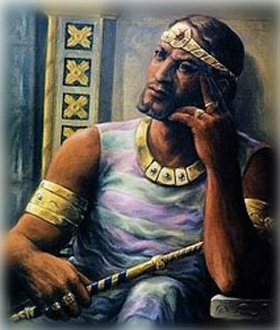
The name Ecclesiastes comes from the root meaning "to assemble together". As such, the book forms a collection of many wise sayings and proverbs of Solomon. The book is mainly composed of observations of life. Solomon, having lived a full life with all its pleasures, concludes that life is "vanity". "Vanity" is the emptiness of life apart from God. It means "that which soon vanishes away". What better man to speak about life than a man who was given all it had to offer. Without God, life would be meaningless, and all his worldly possessions would amount to nothing. Therefore, the conclusion of his studies states that man should love and fear God and obey His commandments. |
||||||||||||||||||||||||||||
![]() |
||||||||||||||||||||||||||||
|
||||||||||||||||||||||||||||
| With all things in the world considered what is our duty? Why are the things of life vanity? |
||||||||||||||||||||||||||||
| Ecclesiastes Outline | ||||||||||||||||||||||||||||
|
||||||||||||||||||||||||||||
| Song of Solomon Overview | ||||||||||||||||||||||||||||
| . This song is a poem in the form of a conversation about the wonder of sexual love. It depicts the beauty of love between a man (Solomon) and a woman (his beloved or Shulamith) which develops into a mature undying relationship. Many interpret it as an allegory of God's love for his people or the relationship between Christ and his church. The basic message is the purity and sacredness of love. |
||||||||||||||||||||||||||||
It is a kind of love song in which Solomon and his beloved take turns in singing about their love for the other. There is also a chorus sung by a group of their friends. The speeches and events described do not necessarily follow in chronological order. |
||||||||||||||||||||||||||||
![]() |
||||||||||||||||||||||||||||
|
||||||||||||||||||||||||||||
|
||||||||||||||||||||||||||||
|
||||||||||||||||||||||||||||
| Does GOD love us? How much? Does His love change? |
||||||||||||||||||||||||||||
| Song of Solomon Outline | ||||||||||||||||||||||||||||
|
||||||||||||||||||||||||||||
![]() |
||||||||||||||||||||||||||||
The First Place to Look for "Nuggets" About the Bible... on the Internet! |
||||||||||||||||||||||||||||